Blog
Why Uneven Concrete Is a Major Liability for Commercial Properties in Western WA
Key Takeaways for Seattle Property Managers
- Uneven concrete is one of the leading causes of slip, trip, and fall claims on commercial properties.
- Seattle’s wet climate, freeze-thaw cycles, and soil conditions accelerate concrete settlement.
- ADA compliance requires level, stable walking surfaces-even small height differences can trigger violations.
- Proactive concrete leveling is far more cost-effective than lawsuits, insurance claims, or full slab replacement.
- Slabjacking restores sunken concrete quickly with minimal disruption, making it ideal for active commercial properties.
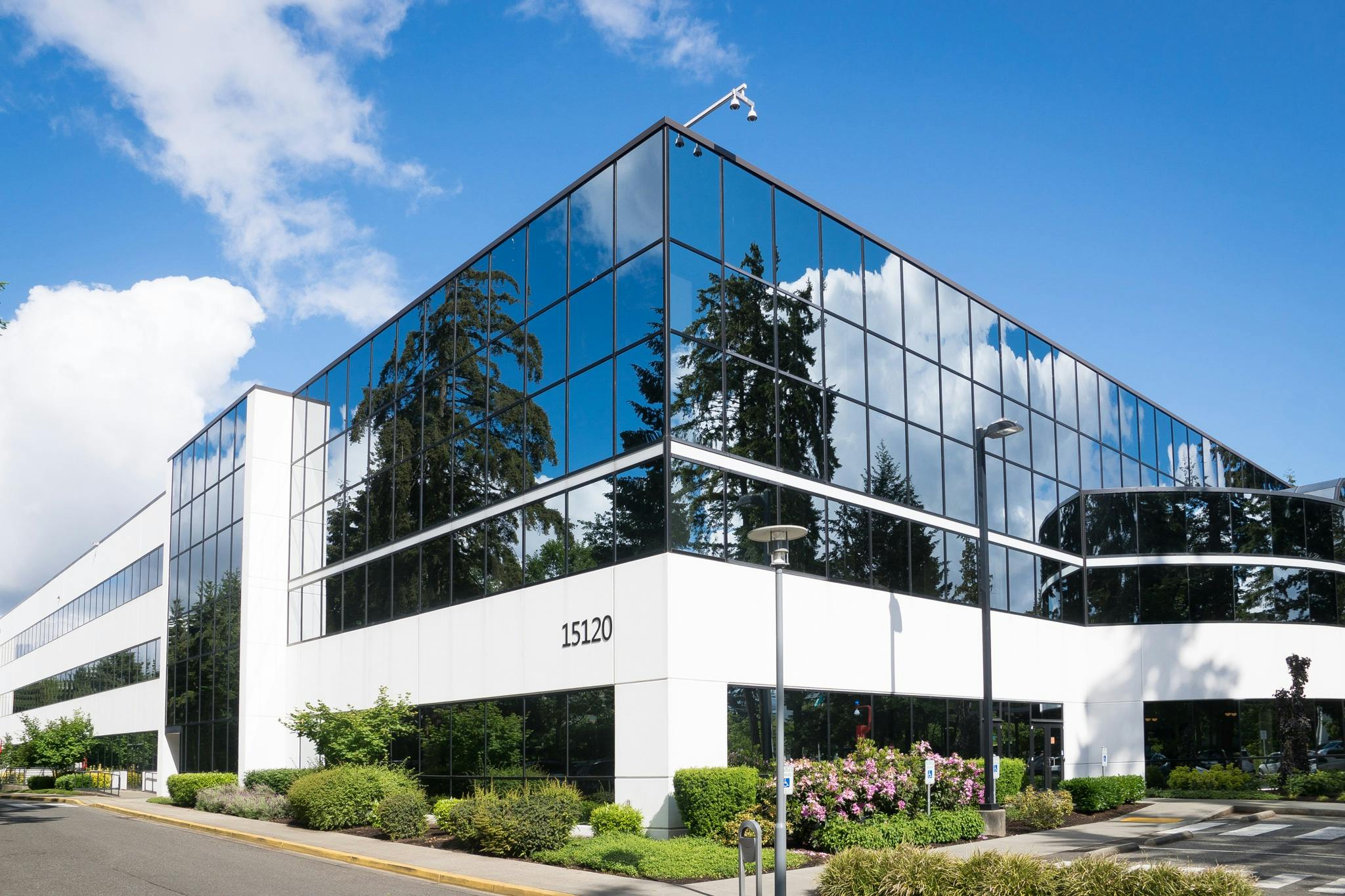
Commercial property managers in the Seattle metro area - whether you oversee office buildings, retail centers, warehouses, or multi-tenant facilities - have a lot on your plate. Between tenant satisfaction, maintenance budgets, and regulatory compliance, one risk often gets underestimated until it becomes expensive: uneven concrete.
Cracked sidewalks, sunken slabs, and sloped walkways don’t just look neglected - they can expose your property to serious liability. In a region like Seattle, where rain is frequent and foot traffic is year-round, uneven concrete is more than a nuisance. It’s a risk multiplier.
Here we’ll break down why uneven concrete is such a major liability, what local property managers need to watch for, and how professional concrete leveling can help protect both people and profits.
The Real Risk: Trip Hazards on Commercial Properties
Slip, trip, and fall accidents are among the most common premises liability claims nationwide - and uneven concrete is often the culprit.
On commercial properties, risk areas include:
- Sidewalks and entryways
- Parking lots and parking garages
- Loading docks
- Courtyards and common outdoor spaces
- Pathways between buildings
In Seattle, rain magnifies the danger. Even a ½-inch height difference between concrete slabs can become nearly invisible when surfaces are wet, increasing the likelihood of accidents.
For property managers, one overlooked hazard can lead to:
- Injury claims
- Insurance premium increases
- Costly legal disputes
- Damage to tenant relationships
- Reputational harm
ADA Compliance: Where Small Issues Become Big Problems
The Americans with Disabilities Act (ADA) requires commercial properties to provide accessible routes that are safe and navigable for all users, including those using wheelchairs, walkers, or mobility devices.
Key ADA considerations related to concrete:
- Changes in level greater than ¼ inch must be beveled or repaired
- Slopes must stay within allowable limits
- Accessible routes must be stable, firm, and slip-resistant
In the Seattle area, ADA compliance is especially important for:
- Retail centers and shopping plazas
- Medical offices and healthcare facilities
- Office parks and mixed-use developments
- Municipal and publicly accessible buildings
Uneven concrete caused by settlement can quietly put a property out of compliance, even if the issue developed gradually over time. That’s why regular inspections and timely repairs are essential.
Why Seattle Properties Are Especially Vulnerable
Seattle’s unique environmental conditions play a major role in concrete settlement:
- Frequent rainfall erodes soil beneath slabs
- Poor drainage around older buildings accelerates washout
- Expansive or loose soils common in the region shift over time
- Freeze-thaw cycles (especially in winter cold snaps) cause movement beneath concrete
These factors mean that even well-installed concrete can settle unevenly over time - particularly in parking lots, sidewalks, and areas with heavy vehicle or foot traffic.
Risk Management Starts with Proactive Maintenance
For property managers, uneven concrete isn’t just a maintenance issue—it’s a risk management concern.
Smart preventative steps include:
- Conducting regular walk-throughs of high-traffic areas
- Addressing small height differences before they worsen
- Documenting repairs and inspections for liability protection
- Choosing repair methods that minimize tenant disruption
Ignoring early warning signs often leads to:
- Larger affected areas
- Higher repair costs
- Emergency fixes instead of planned maintenance
Why Slabjacking Makes Sense for Commercial Properties
Traditional concrete replacement can be expensive, disruptive, and slow - often requiring demolition, curing time, and restricted access.
Slabjacking, also known as concrete leveling, offers a smarter alternative.
Benefits of Slabjacking for Seattle Commercial Properties
- Restores existing concrete instead of replacing it
- Minimal downtime—many areas can reopen the same day
- Cost-effective compared to full replacement
- Environmentally responsible, with less material waste
- Ideal for active properties with tenants, customers, or employees
By lifting and stabilizing sunken concrete slabs, slabjacking eliminates trip hazards and restores ADA-compliant surfaces without the mess and downtime of replacement.
How 1-866-SLABJACK Helps Seattle-Area Property Managers
1-866-SLABJACK works with commercial property owners and facility managers throughout the greater Seattle region to address concrete settlement safely and efficiently.
Our team understands:
- Local soil and weather conditions
- ADA compliance considerations
- The need to minimize business interruption
- Budget-conscious maintenance planning
We commonly service:
- Office parks
- Retail and shopping centers
- Warehouses and industrial facilities
- Parking lots and garages
- Sidewalks and pedestrian areas
Our goal is simple: reduce liability, restore safety, and extend the life of your concrete surfaces.
Final Thoughts: Fixing Concrete Before It Becomes a Claim
Uneven concrete is one of those issues that’s easy to overlook - until someone gets hurt. For Seattle-area commercial properties, proactive concrete leveling is one of the most effective ways to reduce liability, maintain compliance, and protect your investment.
If you’ve noticed sinking slabs, uneven walkways, or potential trip hazards on your property, addressing them early can save significant time, money, and stress down the road.
1-866-SLABJACK is here to help Seattle property managers stay ahead of the risk.