Blog
Is Slabjacking Cheaper Than Replacing Concrete?
Key Takeaways
- Slabjacking typically costs 50–70% less than full concrete replacement for most residential and commercial applications.
- The process is faster - most jobs are completed in a single day, and the surface is walkable almost immediately.
- Slabjacking is not always the right choice; heavily damaged or structurally compromised slabs may require replacement.
- Polyurethane (poly) slabjacking is the most cost-effective and longest-lasting lifting method available today.
- Getting a free on-site inspection is the best way to know which option fits your situation - and your budget.
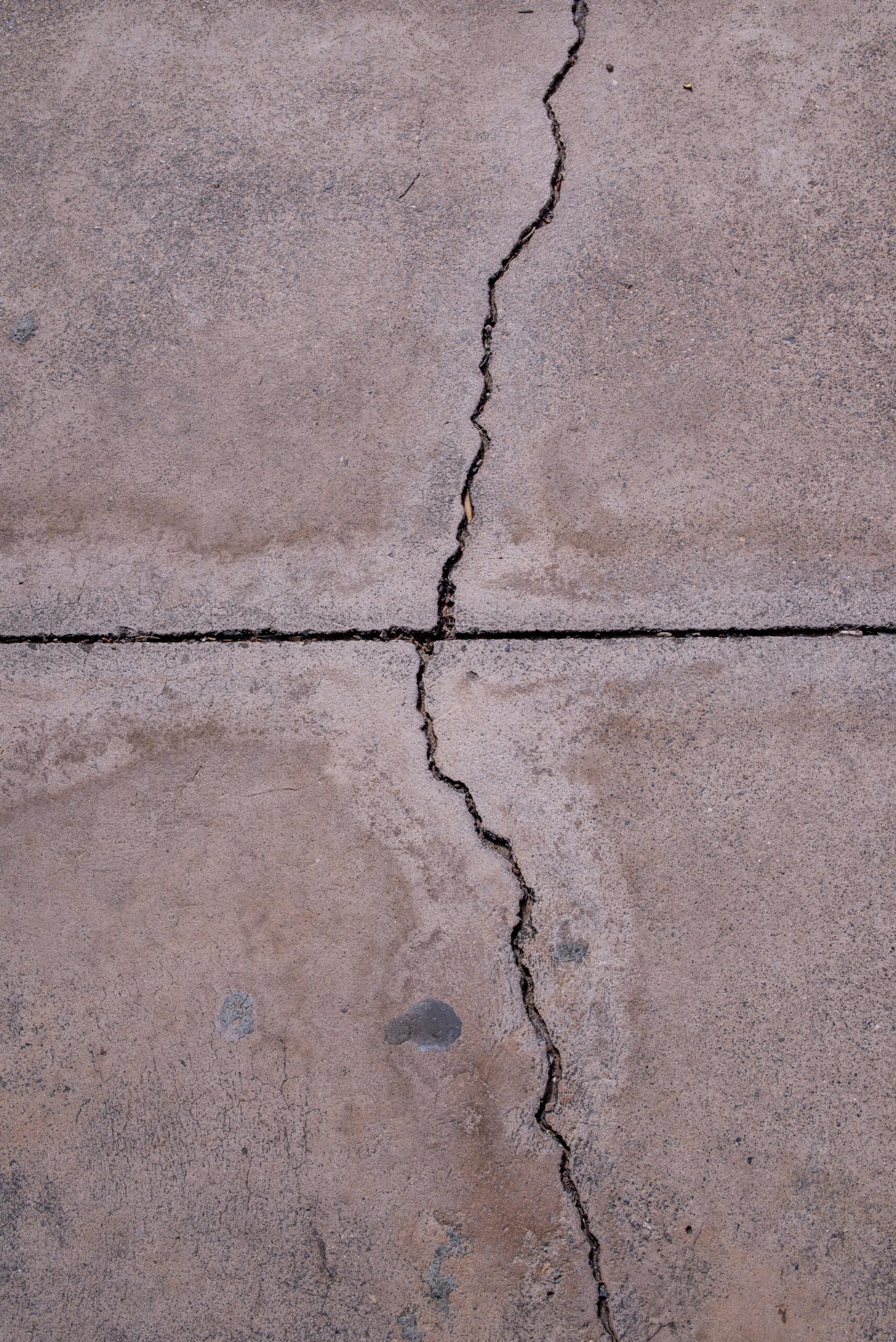
If you've noticed a sunken driveway, a tilted porch, or a cracked garage floor, you're probably weighing your options: repair it, or tear it out and start over? The short answer is that slabjacking is almost always significantly cheaper than concrete replacement, but the full picture is worth understanding. Here's a straightforward breakdown of what each option actually costs, what it involves, and how to decide which path makes sense for your property.
What Does Slabjacking Cost vs. Concrete Replacement?
The most common question we hear is simply: how much cheaper is slabjacking?
In most cases, slabjacking with polyurethane foam costs 50 to 70 percent less than demolishing and pouring new concrete. On a typical residential driveway, sidewalk, or garage floor, that difference can range from a few hundred to several thousand dollars depending on the scope of the project.
Here's why the gap is so wide:
Concrete replacement involves:
- Breaking up and hauling away the existing slab (demolition costs)
- Renting or staging equipment for forming and pouring
- The concrete material itself, plus labor for the pour
- Waiting 24-48 hours or more before any use, and sometimes weeks before full-load traffic
- Potential landscaping or drainage restoration around the new pour
Slabjacking involves:
- A crew that typically completes the work in a few hours to a single day
- Small injection holes drilled through the slab (patched after the job)
- Polyurethane foam injected beneath the slab to fill voids and raise the concrete
- No demolition, no hauling, no extended cure time
- The surface is usually walkable within 30 minutes of completion
Because you're keeping your existing concrete - you're simply restoring the soil support beneath it - the cost stays dramatically lower.
Why Is Slabjacking So Much More Affordable?
You're Reusing What You Already Have
The biggest driver of replacement costs is waste: breaking out old concrete, trucking it off-site, and buying entirely new material. With slabjacking, the existing slab stays in place. As long as the concrete itself is structurally sound, there's no reason to replace it just because the soil beneath it shifted.
Less Labor, Less Time on Site
A slabjacking crew works efficiently. Holes are drilled, foam is injected, and the crew monitors the lift in real time. What would take a concrete crew days (forming, pouring, finishing, and waiting on a cure) typically takes a slabjacking crew a matter of hours.
No Demolition, No Disposal Fees
Concrete demolition and disposal isn't cheap. Tearing out a full driveway or patio slab generates significant debris that has to be hauled to a facility. That cost alone can make replacement significantly more expensive before a single yard of new concrete is poured.
Weather Flexibility
New concrete pours require specific temperature windows and dry conditions. Polyurethane slabjacking can be performed in rain and much colder temperatures - including during Pacific Northwest winters - which means you're not paying scheduling premiums or waiting months for ideal conditions.
When Is Concrete Replacement the Better Choice?
Slabjacking is a powerful solution, but it's not the right answer for every situation. Honest advice means telling you when replacement makes more sense for your project.
The Slab Is Too Damaged to Save
If the concrete itself is crumbling, has deep structural cracks throughout, or has deteriorated past the point of functional integrity, lifting it doesn't address the core problem. You'd be raising a slab that still needs to be replaced. In these cases, replacement is the right call.
The Slab Has Already Been Replaced Once Recently
If a slab was poured as a patch or replacement in recent years and is already sinking, it's worth investigating the underlying cause more thoroughly before investing in another lift. Chronic soil issues, drainage problems, or tree root intrusion may require a more comprehensive fix.
Settlement Is Severe or Ongoing
Most sinking concrete can be successfully lifted, but if a slab has dropped several inches and the void beneath is very large, or if active soil erosion is continuing, slabjacking may need to be combined with additional soil stabilization work. A thorough inspection will tell you what you're actually dealing with.
The Real Cost Comparison: A Practical Example
Consider a sunken two-car garage apron - roughly 10 feet by 20 feet - that has dropped two inches on one side and developed a couple of cracks.
Replacement estimate: Demolition, disposal, forming, and a new pour could run anywhere from $2,000 to $5,000 or more depending on concrete prices and local labor rates. Add 24-48+ hours of downtime for your garage access.
Slabjacking estimate: The same apron, lifted and stabilized with polyurethane, typically comes in at a fraction of that cost. Injection holes are patched, and you're driving on it the same day.
The math isn't complicated and this pattern holds across driveways, sidewalks, porches, patios, pool decks, and basement floors.
Polyurethane Slabjacking vs. Traditional Mudjacking: Does It Matter for Cost?
If you're researching slabjacking, you'll encounter two main methods: traditional mudjacking (using a cement-sand slurry) and modern polyurethane foam lifting. Both are more affordable than replacement, but polyurethane has meaningful advantages that affect the long-term value of the investment:
- Smaller drill holes - less visible after patching
- Waterproof - the foam doesn't wash out or erode like a mudjack slurry can
- Lightweight - doesn't add load to already-stressed soil
- Faster cure time - about 30 minutes vs. waiting for slurry to set
- Longer-lasting results - polyurethane holds its form over time
At 1-866-SLABJACK, we use polyurethane exclusively because we've seen the difference it makes in results and longevity. When you're comparing costs, it's worth factoring in that a poly lift done right is a durable, long-term fix - not a temporary patch.
What Factors Affect the Final Cost of Slabjacking?
Every project is different, which is why we provide free on-site inspections rather than quoting over the phone. That said, here are the main variables that influence the price:
Size of the affected area. More square footage means more material and time — but the per-square-foot cost often decreases as the project scales up.
Degree of settlement. A slab that has dropped half an inch is a faster, simpler lift than one that has settled several inches with significant voids beneath.
Accessibility. Tight spaces, obstacles, or hard-to-reach slabs can affect how efficiently the crew can work.
Scope of crack repair. Lifting the slab addresses the settlement issue; existing cracks may need additional repair work depending on their size and location.
Number of slabs. Projects involving multiple sections across a property can often be handled more efficiently in a single visit.
The "Green" Advantage: Another Reason Slabjacking Wins
Beyond cost, slabjacking has a real environmental edge over replacement. Demolishing a concrete slab sends significant material to a landfill, or at best to a recycling facility at additional cost. Slabjacking preserves the existing slab and uses polyurethane foam made with recycled materials. For homeowners and property managers thinking about sustainability alongside budget, it's another point in slabjacking's favor.
Frequently Asked Questions
Is slabjacking a permanent fix or a temporary repair? When done correctly with quality polyurethane foam, slabjacking is a long-lasting repair. The foam fills voids, cures rigid, and doesn't degrade with moisture. Results can last many years. That said, if the underlying cause of settlement — such as chronic drainage issues or ongoing soil erosion - isn't addressed, additional settling is possible over time.
Will the drill holes be visible after slabjacking? The small holes drilled for polyurethane injection are patched as part of the process. While you may notice the patch locations if you look closely, they're considerably less visible than the large holes used in traditional mudjacking.
How quickly can we use the concrete after slabjacking? Polyurethane foam cures in approximately 30 minutes, so foot traffic is generally possible almost immediately. Vehicles can typically return within a few hours, depending on the specifics of the project.
Can slabjacking fix cracks in my concrete? Slabjacking addresses the settlement that often causes and worsens cracking. Once a slab is leveled, crack repair can be done separately. We offer crack repair services as part of a complete restoration approach.
What if my slab is too far gone to save? We'll tell you. Part of providing an honest inspection is letting you know when replacement is genuinely the better path. We'd rather give you straight advice than recommend a service that won't hold up.
Does the Pacific Northwest climate affect whether slabjacking will work? The wet, freeze-thaw cycles common in the Puget Sound area are actually a major reason concrete settles here in the first place - saturated soil compacts and shifts, voids form, and slabs follow. Polyurethane slabjacking works year-round in our climate and is waterproof by nature, making it well suited to Western Washington conditions.
How do I know if my concrete is a good candidate for slabjacking? The best way is a free on-site inspection. Generally, if the concrete slab itself is in reasonably solid condition - not crumbling or severely fractured throughout - it's a strong candidate for lifting. A quick assessment by an experienced crew will tell you definitively.
Bottom Line: Slabjacking Is Almost Always the Smarter, More Affordable Choice
For most sunken, settled, or uneven concrete - driveways, sidewalks, garage floors, porches, patios, pool decks, and basement floors - slabjacking with polyurethane foam delivers results that are faster, less disruptive, more environmentally responsible, and significantly less expensive than tearing everything out and starting over.
If you're in Western Washington and dealing with sinking or uneven concrete, we're happy to take a look. With over 16 years of experience and more than 3.5 million pounds of concrete saved and restored, the team at 1-866-SLABJACK knows this work inside and out.
Schedule a free inspection today - we'll give you an honest assessment and a clear picture of what slabjacking can do for your property.