
Blog
Interior Concrete Floors: What to Know About Slab Settling in Basements & Garages
Key Points
- Indoor slab settlement can cause uneven floors, cracks, and structural issues.
- Unlike exterior slabs, interior concrete is affected by foundation movement and indoor moisture conditions.
- Early signs include cracking, sloping, or separation at walls and doorframes.
- Professional slab leveling restores stability, safety, and protects your home’s long-term value.
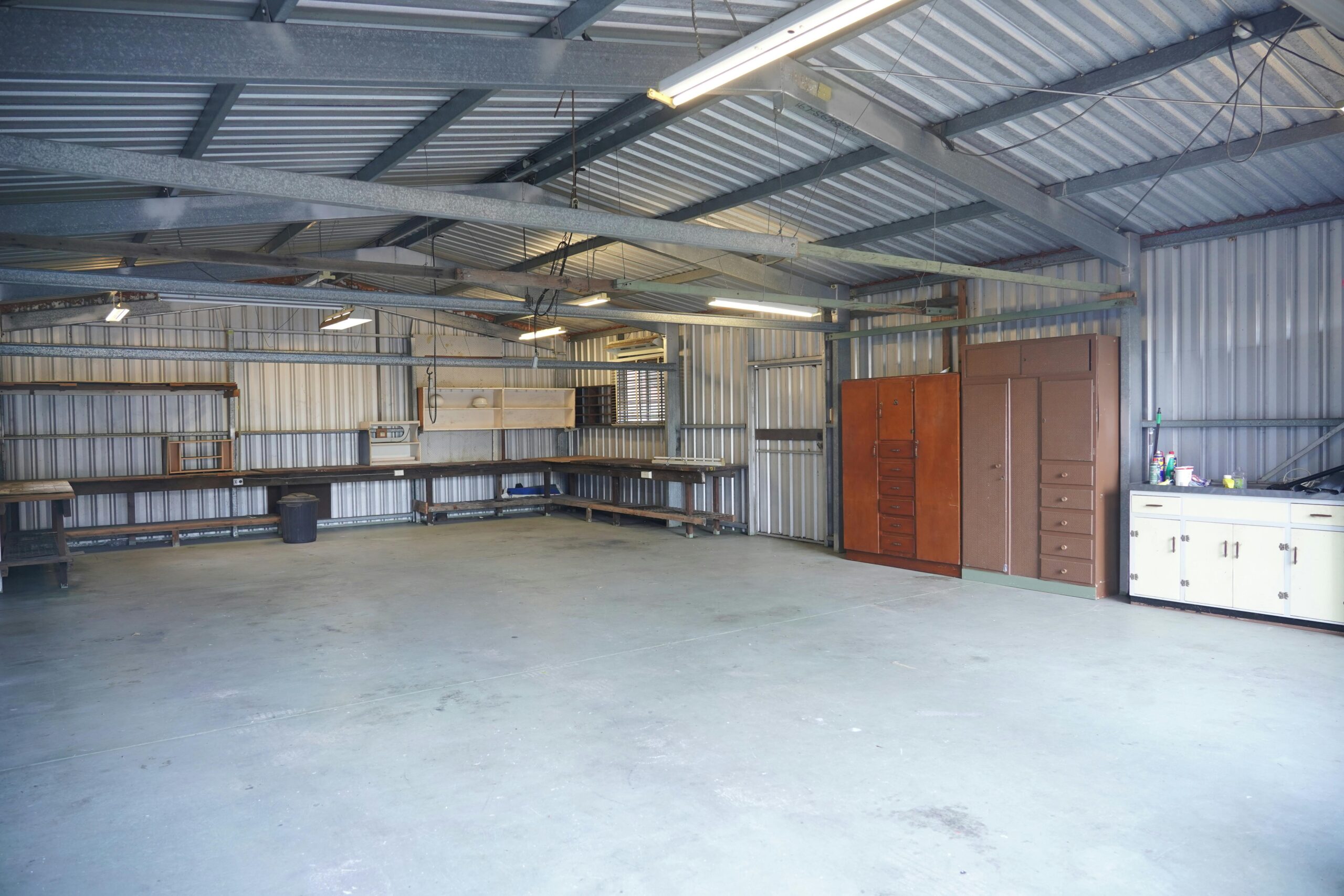
Understanding Interior Slab Settlement
When people think about concrete settling, they often picture uneven sidewalks, driveways, or patios. But what many homeowners don’t realize is that concrete floors inside your home — like those in basements, garages, or utility rooms — can also shift or sink over time.
Interior slab settlement is a common issue across Western Washington, where high rainfall, variable soil composition, and fluctuating groundwater levels create constant pressure beneath your home’s foundation.
If left unaddressed, these subtle changes can lead to visible cracks, uneven flooring, and even secondary issues like door misalignment or moisture intrusion.
How Interior Slab Settlement Differs from Outdoor Concrete Problems
While outdoor slabs are directly exposed to weather and erosion, indoor slabs face a different set of challenges. Here’s how they differ — and why it matters:
|
Factor |
Exterior Slabs |
Interior Slabs (Basements & Garages) |
|
Exposure |
Direct contact with rain, temperature swings, and freeze-thaw cycles. |
Protected from weather but sensitive to indoor humidity, foundation shifts, and subsoil movement. |
|
Soil Interaction |
Often installed over compacted gravel or soil that may wash out with rainfall. |
Rest on engineered fill or foundation supports that can settle unevenly with the structure. |
|
Moisture Source |
Rain, irrigation, runoff. |
Groundwater pressure, plumbing leaks, or vapor seepage. |
|
Repair Goals |
Eliminate tripping hazards and improve appearance. |
Restore stability, level flooring, and protect structural integrity. |
Because of these differences, interior slab settlement usually requires more precise evaluation and specialized lifting methods to avoid impacting walls, framing, or plumbing.
Signs of Interior Slab Settlement to Watch For
Early detection is key to avoiding major repair costs later. Be on the lookout for these signs inside your home or garage:
- Cracks forming in the concrete floor, especially in a “map” or diagonal pattern
- Gaps between the floor and baseboards or walls
- Doors that stick, scrape, or won’t latch properly
- Visible slope or dip in the floor surface
- Cracked tile or separation in flooring materials
- Standing water or damp areas along floor edges
If you notice any combination of these issues, it’s worth having your slab evaluated by a concrete raising professional.
What Causes Indoor Slabs to Settle
In the Pacific Northwest, concrete slab settlement typically stems from one or more of the following:
- Soil Consolidation – Natural compaction or shrinkage of the soil beneath your slab after construction.
- Poor Drainage or Water Intrusion – Chronic moisture under the foundation weakens the subgrade, allowing the slab to drop.
- Plumbing Leaks – Hidden leaks beneath the slab can erode soil and create voids.
- Foundation Movement – Shifting footings or stem walls can drag part of the interior slab down with them.
- Heavy Loads – Excessive weight from vehicles, storage, or machinery in garages can cause slabs to deflect over time.
Professional Solutions: How Concrete Raising Fixes the Problem
At 1-866-SLABJACK, we specialize in restoring settled concrete slabs — indoors and out — using advanced polyurethane foam or cementitious grout injection methods.
Here’s what the process typically looks like for an interior floor:
- Inspection & Assessment
A trained technician evaluates the affected area, checks for voids under the slab, and determines the best lift approach. - Precise Drilling
Small holes (about the size of a dime) are drilled strategically in the slab to reach the hollow areas below. - Injection & Lifting
High-density foam or grout is injected beneath the slab. As it expands, it gently lifts the floor back to its original position and stabilizes the base soil. - Finishing & Cleanup
Once leveled, the drill holes are patched and smoothed. The area is ready for normal use in just a few hours.
Because polyurethane foam is lightweight, durable, and waterproof, it’s ideal for indoor applications where precision and minimal disruption matter most.
Homeowner Steps to Prevent Future Settlement
After repairs, homeowners can help maintain stability and prevent repeat settlement by taking a few proactive measures:
- Ensure gutters and downspouts direct water well away from your foundation.
- Check for plumbing leaks in or under the slab (especially in older homes).
- Maintain good ventilation or use dehumidifiers in basements to control moisture.
- Avoid overloading concrete floors with heavy, concentrated weight.
- Schedule periodic inspections if you live in a high-moisture or sloped area.
Why Early Action Matters
Ignoring uneven floors or small cracks in a concrete slab generally allows the problem to worsen. Over time, settlement can strain your home’s framing, flooring finishes, and even plumbing. Repairing early not only costs less — it protects your home’s structure, resale value, and safety.
Trust the Local Experts at 1-866-SLABJACK
For homeowners across Greater Seattle and Western Washington, 1-866-SLABJACK is the trusted local name for professional concrete raising and leveling. We’ve helped countless families restore safe, stable concrete floors without the mess and expense of full replacement.
If your basement or garage floor slab is sinking, cracked, or uneven, we can help you understand the cause — and fix it quickly and permanently.
👉 Contact 1-866-SLABJACK today for a free inspection or estimate, and let our experienced team bring your interior floors back to level.